Complete Guide to Summer Humidity: Dehumidifiers and AC Performance
- How Air Conditioners Control Humidity
- How Dehumidifiers Control Humidity
- When a Dehumidifier Works Better Than AC
- When AC Works Better Than a Dehumidifier
- Energy Use and Cost Considerations
- Air Quality and Comfort
- 10 Popular Models Compared: Dehumidifiers and AC Units
- Table 1. Top 10 Dehumidifiers and AC Units for Humidity Control
- 1. Frigidaire 50 Pint Dehumidifier
- Pros
- Cons
- User Impression
- Price: 249
- 2. hOmeLabs 50 Pint Dehumidifier
- Pros
- Cons
- User Impression
- Price: 259
- 3. GE 50 Pint Dehumidifier
- Pros
- Cons
- User Impression
- Price: 239
- 4. Midea Cube 50 Pint Smart Dehumidifier
- Pros
- Cons
- User Impression
- Price: 289
- 5. Vremi 35 Pint Moisture Remover
- Pros
- Cons
- User Impression
- Price: 189
- 6. LG Dual Inverter AC 8000 BTU
- Pros
- Cons
- User Impression
- Price: 379
- 7. GE Profile Smart AC 10000 BTU
- Pros
- Cons
- User Impression
- Price: 429
- 8. Friedrich Chill Premier 8000 BTU
- Pros
- Cons
- User Impression
- Price: 439
- 9. TCL 8000 BTU Smart Window AC
- Pros
- Cons
- User Impression
- Price: 309
- 10. Soleus Air Saddle Window AC
- Pros
- Cons
- User Impression
- Price: 449
- Table 2. Summary of Pros and Cons
- How Each Device Helps During Humid Summers
- Optimizing Home Humidity
- Comfort Advantages of Combining Both Devices
- Final Thoughts
High humidity affects comfort, sleep quality, furniture condition, electronics, and indoor air circulation. Warm months often bring sticky air that makes rooms feel heavier and hotter than the actual temperature. Excess moisture creates an ideal environment for mold, dust mites, and unpleasant odors. Managing humidity is not only about feeling comfortable but also about maintaining a healthy home environment.
Both dehumidifiers and air conditioners help control indoor moisture, yet each device tackles humidity in a different way. Air conditioners cool the air and remove moisture as a side effect of the cooling cycle. Dehumidifiers focus specifically on extracting moisture to maintain a balanced indoor environment. Understanding how both devices work and how they differ helps create a more efficient and comfortable living space during hot months.
Humidity control depends on the climate, home insulation, number of occupants, ventilation, and everyday activities such as cooking, laundry, and bathing. When humidity goes above a comfortable range, each device responds differently. Choosing the right method for your home improves energy usage, comfort, and indoor air quality. With the right setup, it becomes easier to enjoy cool, dry air even in the most humid summer conditions.
How Air Conditioners Control Humidity
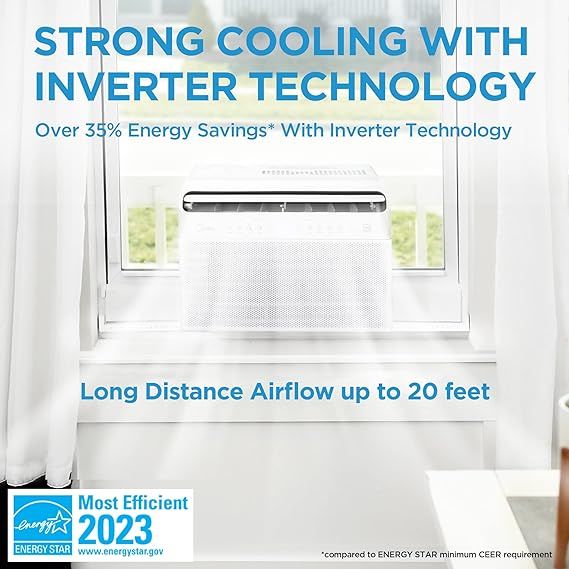
Air conditioners remove moisture by cooling the air. During the cooling cycle, warm indoor air passes over chilled evaporator coils. Moisture from the air condenses on the cold metal and drips into a drainage system. This process reduces humidity, but only while the AC is actively cooling. When the desired temperature is reached and the system cycles off, moisture removal stops.
AC units work best when humidity is moderately high and temperatures are warm enough for long cooling cycles. When humidity is extreme but temperatures are mild, an AC may cool the room too quickly without running long enough to remove sufficient moisture. This leads to a "cold but sticky" feeling that many people experience during summer evenings.
Humidity reduction is therefore a secondary job for air conditioners. While AC systems offer pleasant cooling, they are not always efficient at maintaining stable humidity in constantly moist climates.
How Dehumidifiers Control Humidity
Dehumidifiers remove moisture regardless of indoor temperature. They draw in humid air, pass it over chilled coils, condense the moisture, and release dry air back into the room. The collected water drains into a tank or through a hose.
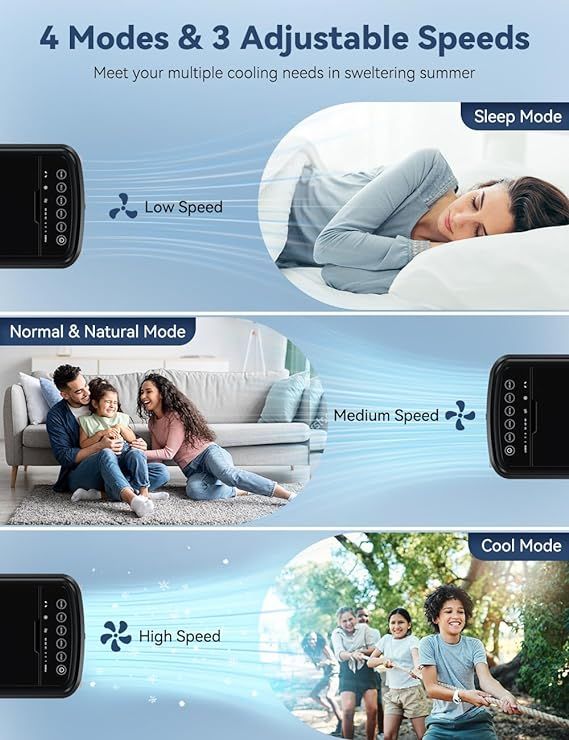
Unlike AC units, dehumidifiers are designed to run long cycles focused specifically on moisture extraction. They do not cool the air significantly, although some models may slightly warm the room due to the heat released during operation.
Dehumidifiers are extremely effective in basements, bathrooms, laundry rooms, and large living spaces during humid months. The consistent operation keeps humidity in an ideal range, reducing the load on AC systems and improving air quality.
When a Dehumidifier Works Better Than AC
-
When humidity is high but temperature is comfortable
-
When AC cools the room too quickly without removing moisture
-
When the home feels clammy or sticky at night
-
When mold or odor issues appear
-
When drying laundry indoors
-
When improving breathable air for people with allergies
-
When trying to reduce strain on AC systems
Dehumidifiers complement air conditioning, especially in regions known for muggy summers.
When AC Works Better Than a Dehumidifier
-
When temperatures are uncomfortably high
-
When cooling is needed along with moisture removal
-
When humidity is only moderately high
-
When you want immediate relief from heat
In many homes, AC systems handle both cooling and moderate humidity removal efficiently, especially during peak summer afternoons.
Energy Use and Cost Considerations
Dehumidifiers typically consume less energy than running an AC system continuously. Air conditioners use more power because they cool the entire room while removing moisture. A balanced combination often results in lower energy bills.
For example:
-
Running a dehumidifier helps maintain low humidity, allowing the AC to cool faster and work less.
-
AC alone may struggle during high humidity, running longer cycles and consuming more electricity.
A home that benefits from both systems usually feels cooler and drier while using energy more efficiently than relying on a single device.
Air Quality and Comfort
Both AC and dehumidifiers contribute to cleaner, healthier air. Lower humidity reduces allergens and improves the overall feel of indoor spaces. Dehumidifiers offer more stable humidity control, especially in rooms where moisture buildup happens daily.
Cool air from AC systems creates a refreshing sensation in summer. However, areas such as basements or kitchens often need dedicated moisture control even if the rest of the home feels comfortable. Using both tools strategically results in optimal comfort without overspending on cooling.
10 Popular Models Compared: Dehumidifiers and AC Units
Below is a detailed comparison of ten well-known models used for humidity control. Prices are approximate Amazon values.
Table 1. Top 10 Dehumidifiers and AC Units for Humidity Control
| Model | Type | Price (USD) | Strength |
|---|---|---|---|
| Frigidaire 50 Pint Dehumidifier | Dehumidifier | 249 | Strong moisture removal |
| hOmeLabs 50 Pint Dehumidifier | Dehumidifier | 259 | Quiet operation |
| GE 50 Pint Dehumidifier | Dehumidifier | 239 | Reliable humidity stabilization |
| Midea Cube 50 Pint Smart | Dehumidifier | 289 | Large tank capacity |
| Vremi 35 Pint Moisture Remover | Dehumidifier | 189 | Energy-efficient |
| LG Dual Inverter AC 8000 BTU | AC | 379 | Powerful cooling |
| GE Profile Smart AC 10000 BTU | AC | 429 | Smart controls |
| Friedrich Chill Premier 8000 BTU | AC | 439 | Balanced cooling performance |
| TCL 8000 BTU Smart Window AC | AC | 309 | Good value |
| Soleus Air Saddle Window AC | AC | 449 | Quiet operation |
1. Frigidaire 50 Pint Dehumidifier
A dependable unit with strong extraction power designed for medium to large rooms. The design improves circulation and keeps indoor air balanced.
Pros
-
High extraction capability
-
Easy-to-clean filter
-
Smooth continuous drain option
Cons
-
Slightly louder than compact units
User Impression
People frequently describe the Frigidaire as a trustworthy long-term solution for humid summers. Many mention immediate improvements in air freshness.
Price: 249
2. hOmeLabs 50 Pint Dehumidifier
A quiet and efficient model ideal for bedrooms and living spaces. The unit works well for families wanting a peaceful environment.
Pros
-
Low noise
-
Strong airflow
-
Large tank
Cons
-
Bulky for smaller rooms
User Impression
Users praise how quietly it operates and appreciate that it keeps humidity stable even during prolonged humid weather.
Price: 259
3. GE 50 Pint Dehumidifier
This dehumidifier balances performance and energy usage, making it suitable for all-day operation.
Pros
-
Automatic humidity sensing
-
Good price-to-performance ratio
-
Reliable drainage
Cons
-
Exterior design feels basic
User Impression
Homeowners often mention that the GE model quickly reduces moisture levels in problem areas such as basements.
Price: 239
4. Midea Cube 50 Pint Smart Dehumidifier
The Cube series is known for its stackable design and high tank capacity.
Pros
-
Large water tank
-
Smart app controls
-
Compact footprint
Cons
-
App setup can be slow
User Impression
Users enjoy the long runtime without frequent emptying. Many like the smart functions that monitor humidity remotely.
Price: 289
5. Vremi 35 Pint Moisture Remover
An energy-efficient dehumidifier ideal for smaller or medium rooms.
Pros
-
Low power usage
-
Easy controls
-
Good mobility
Cons
-
Not suitable for very large spaces
User Impression
Customers mention that it significantly reduces moisture in bedrooms and prevents morning stickiness.
Price: 189
6. LG Dual Inverter AC 8000 BTU
A powerful and efficient cooling system with improved airflow technology.
Pros
-
Fast cooling
-
Lower noise levels
-
Energy efficient
Cons
-
Higher price than generic AC units
User Impression
Users appreciate the smooth airflow and say it cools rooms quickly even during extremely humid afternoons.
Price: 379
7. GE Profile Smart AC 10000 BTU
A modern AC unit with smart features designed for convenience.
Pros
-
Precise temperature control
-
Works with mobile apps
-
Consistent cooling
Cons
-
Heavier than standard models
User Impression
People enjoy the accurate temperature management and mention that the AC handles humid heat with ease.
Price: 429
8. Friedrich Chill Premier 8000 BTU
A reliable AC unit built for durability and stable airflow.
Pros
-
Long-lasting components
-
Strong cooling output
-
Solid build quality
Cons
-
Slightly louder airflow
User Impression
Users value its durability and consistent performance during long summer heat waves.
Price: 439
9. TCL 8000 BTU Smart Window AC
An affordable option with smart capabilities and good cooling performance.
Pros
-
Budget-friendly
-
Smart features
-
Good efficiency
Cons
-
Basic exterior design
User Impression
Owners say it cools quickly, uses less energy, and works smoothly with app scheduling.
Price: 309
10. Soleus Air Saddle Window AC
Designed for quiet operation with a unique saddle-style design that reduces vibrations.
Pros
-
Very quiet
-
Modern design
-
Stable performance
Cons
-
Installation takes more time than standard AC units
User Impression
People like the quiet operation and describe it as one of the most peaceful AC units they've ever installed.
Price: 449
Table 2. Summary of Pros and Cons
| Model | Pros | Cons |
|---|---|---|
| Frigidaire 50 Pint | Strong removal, easy filter | Slight noise |
| hOmeLabs 50 Pint | Quiet, strong airflow | Bulky |
| GE 50 Pint | Good balance, auto sensing | Basic design |
| Midea Cube | Large tank, smart features | Slow app setup |
| Vremi 35 Pint | Low energy use | Not for large rooms |
| LG Dual Inverter AC | Fast cooling, quiet | Higher price |
| GE Profile Smart AC | Smart controls, stable cooling | Heavy |
| Friedrich Chill Premier | Durable, powerful | Louder airflow |
| TCL 8000 BTU | Affordable, efficient | Simple exterior |
| Soleus Saddle Window | Very quiet, stylish | Longer installation |
How Each Device Helps During Humid Summers
Both dehumidifiers and AC units offer benefits depending on room type and daily routine. A dehumidifier placed in the basement reduces mildew risk and prevents musty odors. AC units help maintain cooler temperatures and indirectly assist in lowering moisture. In very humid climates, running a dehumidifier allows the AC to perform more efficiently because dry air cools faster.
Dry air supports better sleep, reduces body temperature fluctuations at night, and prevents that heavy, sticky feeling on the skin. Dehumidifiers remove the strain from AC systems, which reduces wear and helps extend equipment life. Setting up both tools correctly ensures a consistent indoor environment even during intense summer humidity.
Optimizing Home Humidity
Maintaining balanced humidity throughout summer relies on a combination of strategies:
-
Keep air flowing with ceiling fans or ventilation systems
-
Use a dehumidifier in problem areas like basements or laundry rooms
-
Run the AC when temperatures climb
-
Seal window gaps to prevent humidity intrusion
-
Keep bathroom and kitchen exhaust fans active
-
Avoid drying clothes indoors unless a dehumidifier is running
-
Use smart controllers to automate humidity and temperature balance
These small actions help both devices run efficiently and maintain healthy air conditions.
Comfort Advantages of Combining Both Devices
Using an AC and a dehumidifier together results in:
-
Faster cooling
-
Lower energy consumption
-
More stable humidity levels
-
Reduced mold growth risk
-
Fresher indoor air
-
Better respiratory comfort
-
Improved household odor control
This combination stabilizes the home environment, prevents moisture buildup, and reduces the strain on cooling systems during long summer heat.
Final Thoughts
Managing summer humidity becomes easier when understanding how dehumidifiers and AC units differ and complement each other. A dehumidifier provides consistent moisture control, protects furniture, and prevents mold, while an AC cools the room and delivers immediate comfort. Together they create a healthier, more stable indoor environment during warm months.
Proper humidity control enhances the quality of life. It keeps the air breathable, the home protected, and the environment more pleasant during summer heat. The right balance of cooling and dehumidification establishes a comfortable climate inside the home without unnecessary energy waste.